
- January 20, 2026
- Glory
Wellness-driven interior design is all about shaping spaces that actively support your physical, mental, and emotional well-being—not just looking good on Instagram.
Think of it as design that helps you breathe easier, sleep better, focus longer, and feel calmer the moment you walk in.
Here’s a clear breakdown:
What “Wellness-Driven” Really Means
Instead of starting with trends or aesthetics, this approach starts with human needs:
- How does the space affect stress?
- Does it support rest, movement, and focus?
- Is it healthy for the body over time?
Beauty still matters—but function and well-being come first.
Core Principles
1. Light (Especially Natural Light)
- Maximize daylight to support circadian rhythms
- Layer lighting: ambient + task + accent
- Warm light in evenings, cooler light during the day
💡 Result: better sleep, mood, and energy levels
2. Air Quality & Materials
- Low-VOC paints, finishes, and adhesives
- Natural materials (wood, clay, wool, linen)
- Good ventilation + plants (real ones)
🌿 Result: fewer headaches, better breathing, less fatigue
3. Biophilic Design (Nature Indoors)
- Plants, natural textures, stone, wood grain
- Nature-inspired colors (greens, earth tones, sky blues)
- Views of outdoors when possible
🌱 Result: reduced stress, improved focus and creativity
4. Acoustics & Noise Control
- Soft furnishings to absorb sound
- Rugs, curtains, upholstered furniture
- Zoning spaces for quiet vs. activity
🔕 Result: calmer nervous system, better concentration
5. Ergonomics & Movement
- Furniture that supports posture
- Flexible layouts that encourage movement
- Sit/stand options, stretch-friendly spaces
🧍 Result: less pain, more energy, long-term physical health
6. Psychological Comfort
- Clutter-free layouts
- Clear circulation paths
- Spaces designed for specific activities (rest, work, social)
🧠 Result: mental clarity, reduced anxiety
Wellness-Driven Design by Space
Bedroom
- Minimal electronics
- Soft textures, calming colors
- Blackout + layered lighting
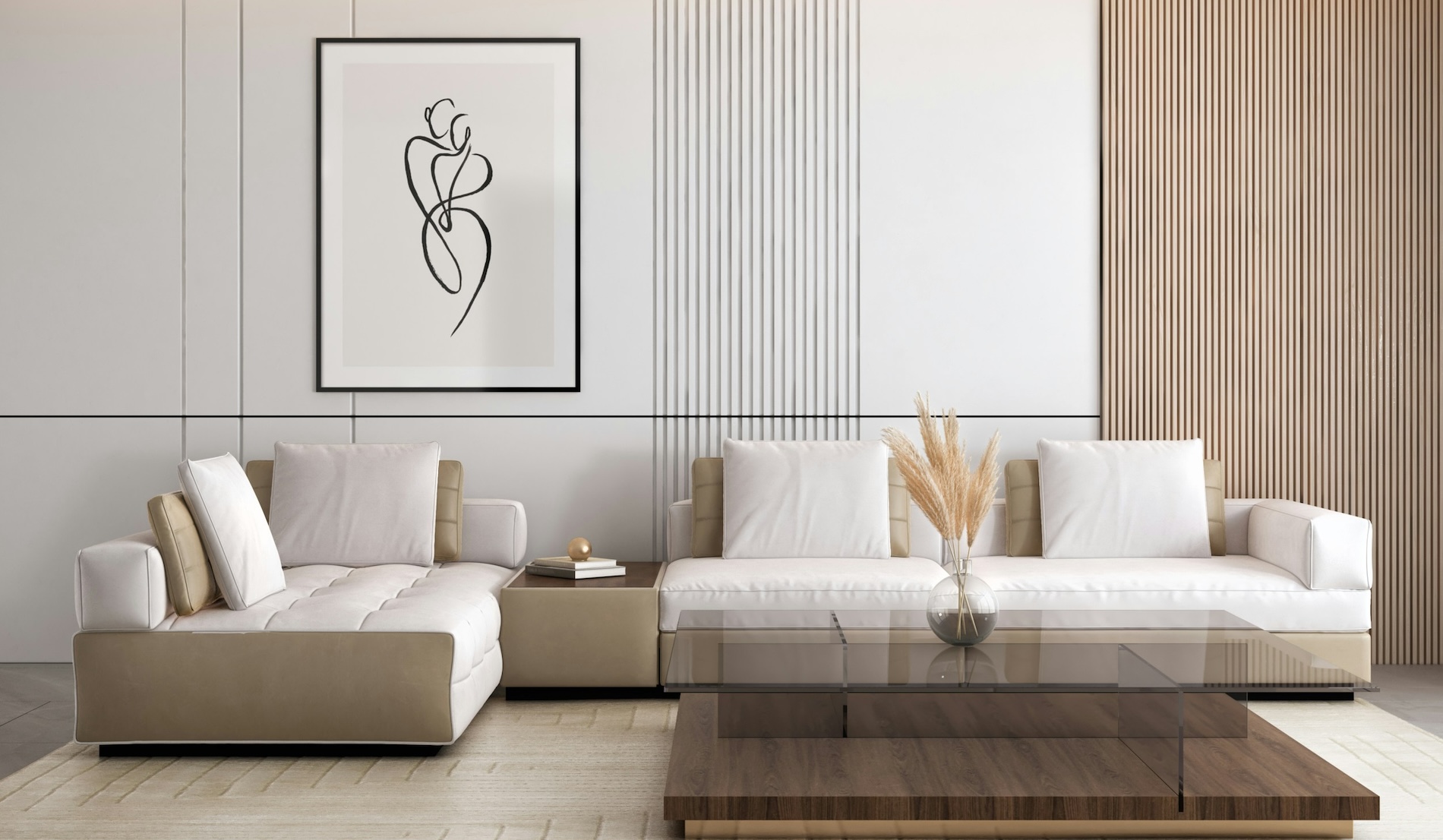
Living Room
- Comfortable seating, conversational layouts
- Natural materials
- Balanced lighting
Workspace
- Natural light near desk
- Ergonomic chair + desk height
- Visual calm (not visual chaos)
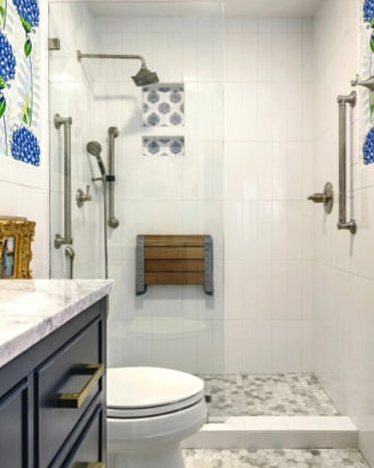
Bathroom
- Spa-like materials
- Good ventilation
- Soft, indirect lighting
Who This Approach Is Great For
- Homes focused on mental health & balance
- Offices aiming to reduce burnout
- Healthcare & hospitality spaces
- Anyone feeling overstimulated or exhausted by modern life
If you’re inspired to bring these principles into your own space, we’d love to help. Contact us today.
Related Posts
No Comment
Leave a Comment