- November 4, 2026
- Martha
Modern interior design is increasingly focused on creating spaces that are not only beautiful but also practical, adaptable, and efficient.
As lifestyles, family needs, technology, and work patterns change, interior spaces must be able to accommodate different activities without requiring major renovations.
Two important concepts in contemporary interior design are multifunctional spaces and flexible spaces. Both aim to maximize the usefulness of an interior while improving comfort, functionality, and the overall user experience.
What Are Multifunctional Spaces?
A multifunctional space is an interior area designed to serve two or more purposes.
Instead of assigning one specific function to each room, designers combine activities within a single space to make better use of the available floor area.
Examples include:
- A living room that also functions as a home office.
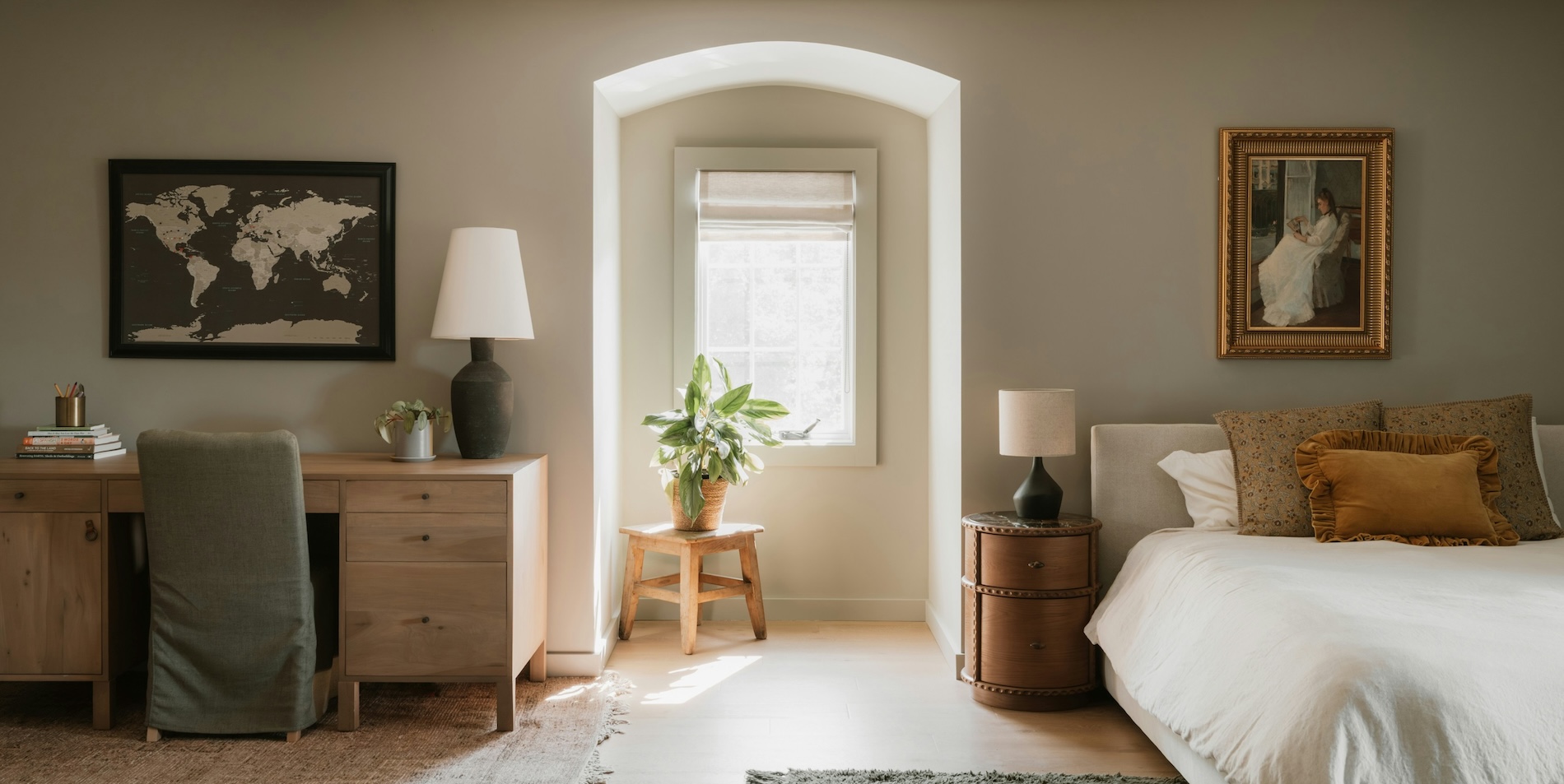
- A bedroom with a study corner.
- A kitchen that doubles as a dining and social gathering area.
- A guest room that can also serve as a workspace.
- A living area that transforms into a sleeping space.
Key Characteristics of Multifunctional Spaces
- Multiple purposes: One room accommodates several activities.
- Space efficiency: Available floor space is used effectively.
- Practical furniture: Furniture may serve more than one purpose.
- Organization: Storage solutions help prevent clutter.
- Visual harmony: Different functions are combined while maintaining a consistent design.
What Are Flexible Spaces?
Flexible spaces are interior environments designed to change their layout, arrangement, or function according to users’ needs.
Unlike multifunctional spaces, which accommodate multiple activities, flexible spaces emphasize the ability to adapt and transform over time.
For example, a large living room can be rearranged to accommodate family gatherings, exercise, entertainment, or social events.
Key Characteristics of Flexible Spaces
- Adaptability: The space can accommodate changing activities.
- Movable elements: Furniture and partitions can be rearranged.
- Transformability: A room can change its purpose when needed.
- Modular design: Components can be added, removed, or repositioned.
- Long-term usefulness: The space can respond to changing lifestyles and requirements.
Differences Between Multifunctional and Flexible Spaces
Although the concepts are closely related, they are not exactly the same.
| Multifunctional Spaces | Flexible Spaces |
|---|---|
| Serve multiple purposes. | Adapt to changing needs. |
| Focus on combining activities. | Focus on transformation and adaptability. |
| Often use dual-purpose furniture. | Often use movable or modular elements. |
| Functions may exist simultaneously. | Functions may change at different times. |
| Example: Living room and home office. | Example: Living room with movable partitions. |
In simple terms:
- Multifunctional design asks: How can one space serve several purposes?
- Flexible design asks: How can one space change to meet different needs?
Important Design Elements
Several interior design elements help create successful multifunctional and flexible environments.
Multifunctional Furniture
Furniture that performs more than one function helps maximize limited space.
Examples:
- Sofa beds that function as seating and sleeping areas.
- Extendable dining tables.
- Storage ottomans and benches.
- Foldable desks.
- Murphy beds with integrated storage or workspaces.
Movable Partitions
Partitions help divide or combine spaces depending on the activity.
Examples:
- Sliding doors.
- Folding screens.
- Glass partitions.
- Movable walls.
- Curtains and room dividers.
Smart Storage Solutions
Effective storage keeps multifunctional spaces organized and visually appealing.
Examples:
- Built-in cabinets.
- Under-bed storage.
- Wall-mounted shelves.
- Hidden storage compartments.
- Floor-to-ceiling cabinetry.
Lighting Design
Lighting helps distinguish different functional zones within one room.
Examples:
- Pendant lights above dining tables.
- Task lighting for study areas.
- Ambient lighting for relaxation.
- Accent lighting to highlight specific areas.
Color and Material Selection
Colors and materials can visually define different zones without the need for permanent walls.
For example:
- Rugs can identify a living area.
- Different wall colors can separate work and relaxation zones.
- Flooring materials can distinguish kitchen and dining areas.
Benefits of Multifunctional and Flexible Spaces
These design approaches offer several advantages:
| Benefit | Explanation |
|---|---|
| Space optimization | Makes smaller spaces more useful. |
| Cost efficiency | Reduces the need for additional rooms. |
| Adaptability | Accommodates changing lifestyles. |
| Comfort | Supports different activities in one environment. |
| Creativity | Encourages innovative furniture and layouts. |
| Sustainability | Can reduce the need for frequent renovations and new materials. |
Practical Applications in Different Interior Spaces
Residential Interiors
Living rooms, bedrooms, kitchens, and home offices can combine several functions to accommodate modern family lifestyles.
Office Interiors
Workspaces can be rearranged for individual work, teamwork, meetings, and presentations.
Educational Interiors
Classrooms can support lectures, group discussions, independent study, and collaborative learning.
Hospitality Interiors
Hotel rooms can combine sleeping, working, relaxing, and entertainment areas.
Commercial and Public Interiors
Multipurpose halls and community spaces can accommodate exhibitions, events, meetings, and social activities.
Challenges in Designing Multifunctional and Flexible Spaces
Despite their benefits, these spaces require careful planning.
Some common challenges include:
- Limited space: Combining activities can create overcrowding.
- Privacy: Different activities may require different levels of privacy.
- Noise: Activities such as working, relaxing, and entertainment may conflict.
- Storage: Multiple functions can create additional storage requirements.
- Furniture arrangement: Furniture must allow easy movement and access.
- Visual consistency: Different functional areas should maintain a cohesive appearance.
Designers can address these challenges through thoughtful space planning, acoustic treatments, zoning, adequate storage, and carefully selected furniture.
Multifunctional and flexible spaces represent an important direction in contemporary interior design.
They encourage designers to think beyond traditional room arrangements and create environments that respond to the changing needs of users.
Multifunctional spaces maximize the use of available areas by combining different activities, while flexible spaces provide the ability to rearrange and transform interiors as requirements change.
Ultimately, successful design should balance functionality, adaptability, aesthetics, comfort, and efficient space utilization.
Remember these five principles:
- Maximize the use of available space.
- Choose multifunctional furniture.
- Incorporate movable and adaptable elements.
- Create clear functional zones.
- Design around users’ changing needs.
Ready to Make the Most of Your Space?
Whether you’re looking to improve functionality, create a more flexible layout, or refresh your interiors, we can help. Contact us to discuss your project.